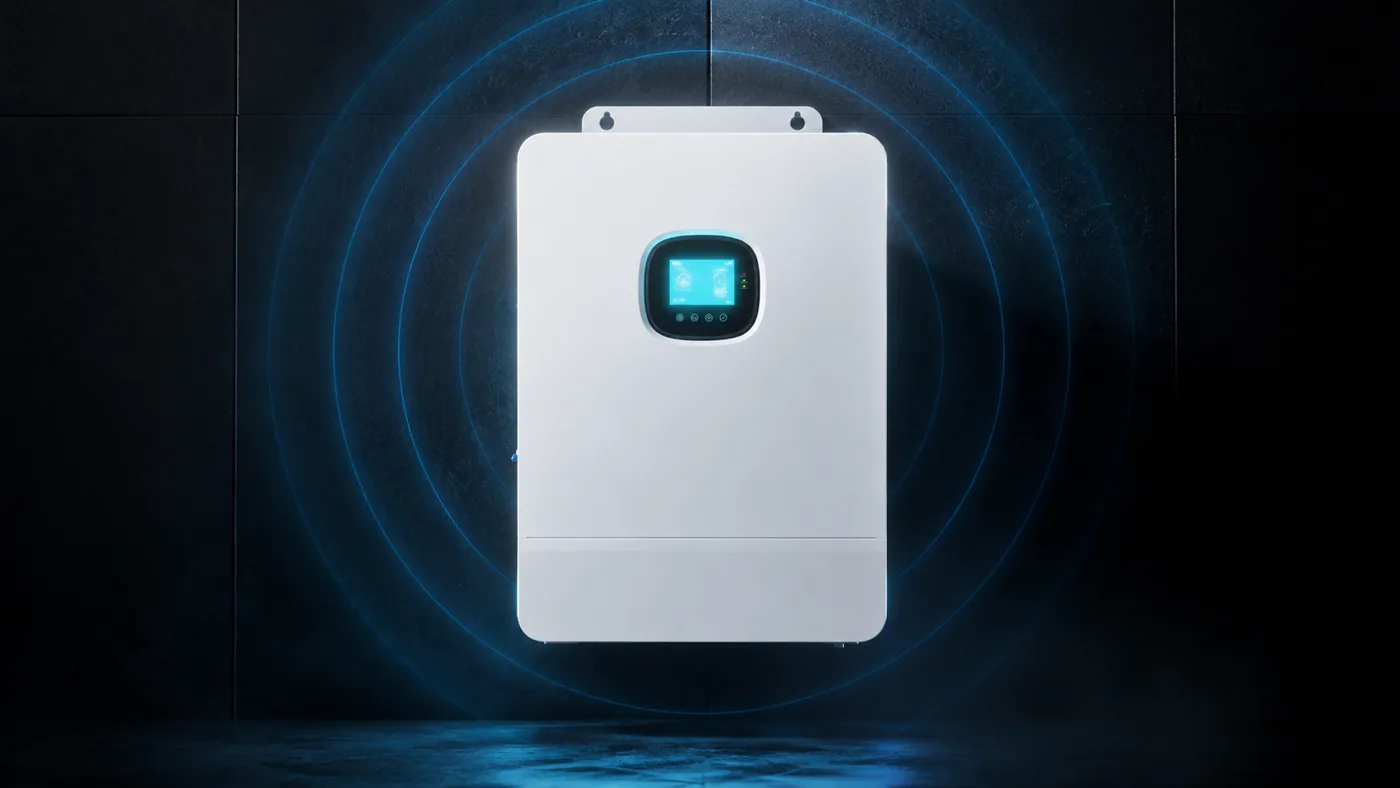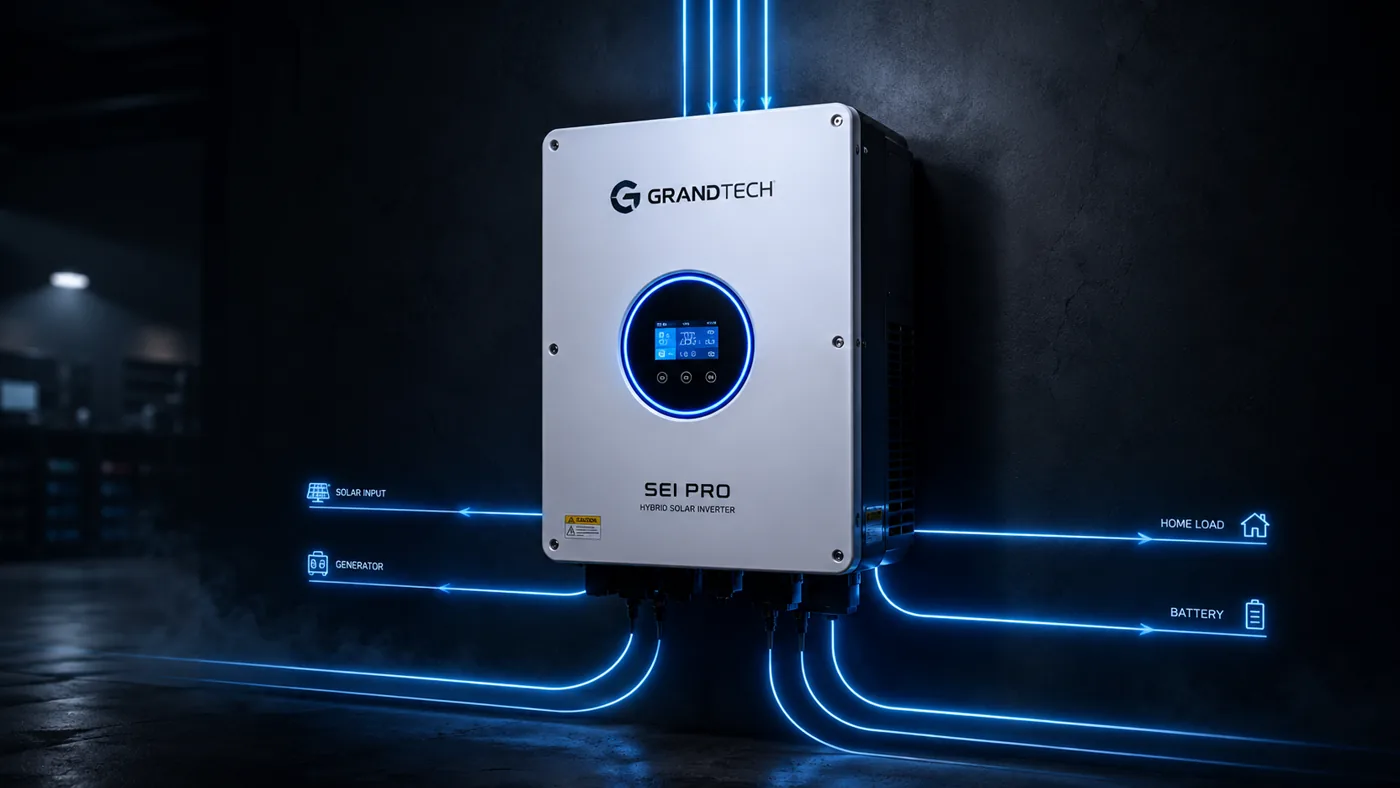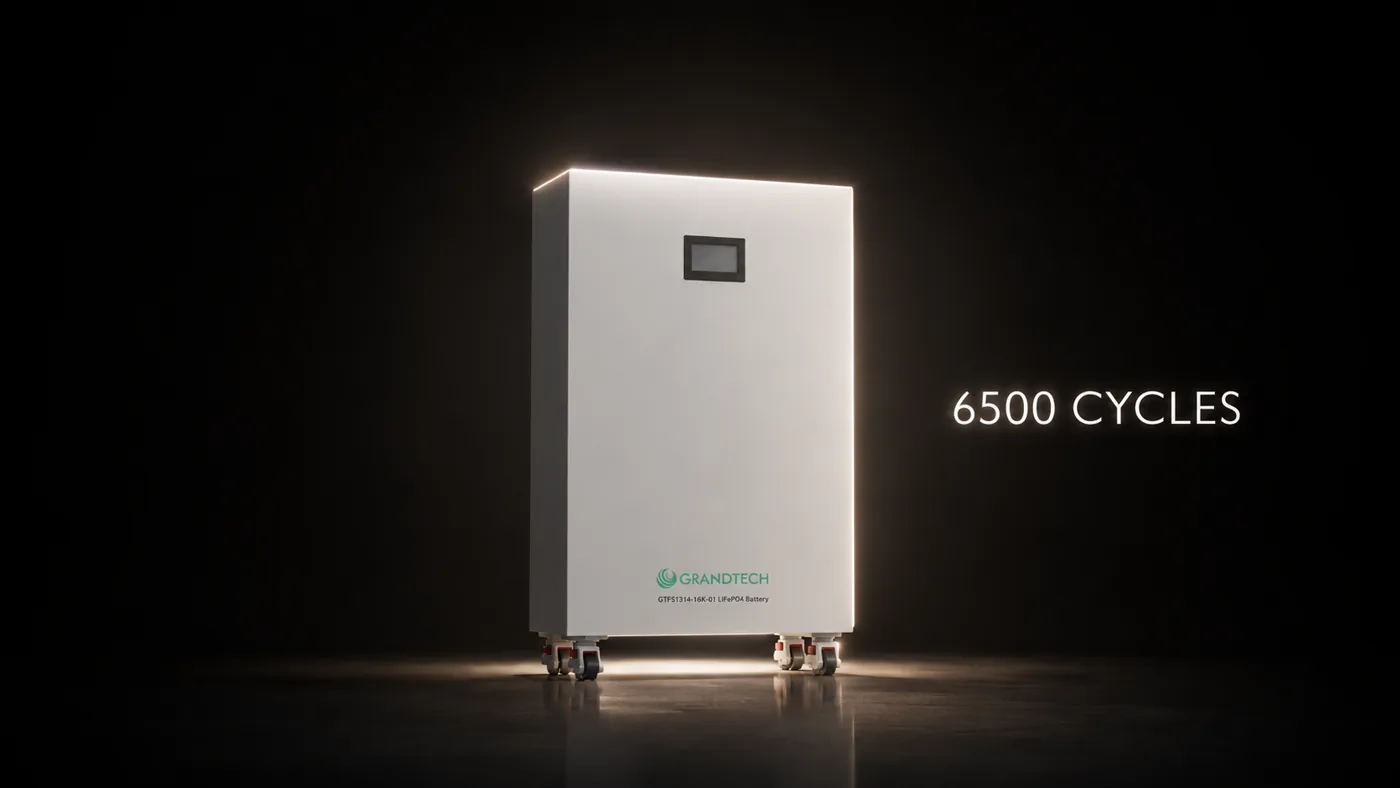
16.08 kWh
6500+
GTF51314-16K-01
Quote pricing available
Free system designWall-mount energy storage that scales with your home.
PowerWallStore builds LiFePO4 home battery backup systems that keep your home powered when the grid goes down. Our lithium iron phosphate batteries store 16 to 28 kWh per module, scale in parallel for whole-home or off-grid use, and are rated for 6,500–8,000+ cycles. Paired with a split-phase hybrid inverter, they back up essential or whole-home loads, store cheap off-peak and solar energy, and lower your power bill. We ship across the US and UK with a free system design.
Wall-mount energy storage that scales with your home.
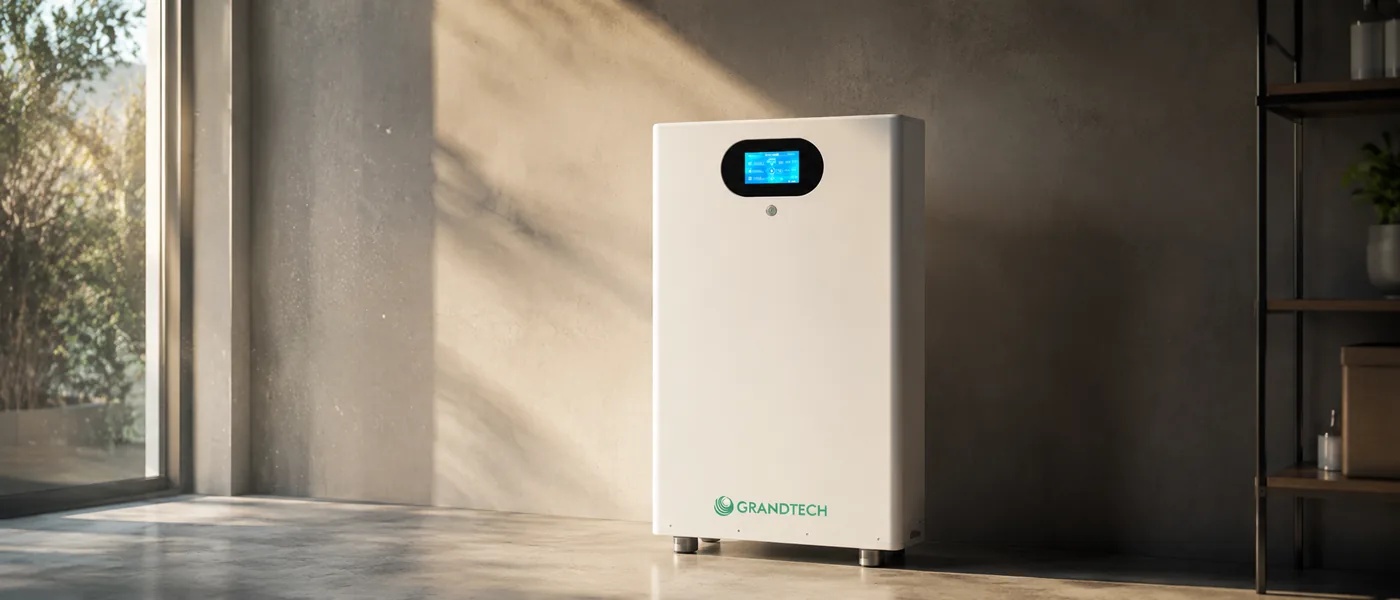
Long-cycle LFP storage, built for daily depth of discharge.
Free system design and a no-obligation quote within one business day. Ships across the US & UK.
Lithium iron phosphate cells resist thermal runaway and run cooler than NMC lithium-ion, so they're suited to garages and utility spaces. Cells reference IEC 62619, UN 38.3, and CE.
Rated for 6,500–8,000+ cycles at 80% depth of discharge — roughly 15–20 years of daily cycling, far beyond the 1,000–2,000 cycles of older lithium-ion.
Start with a 16 kWh module for essentials backup, or scale up: the 28 kWh battery parallels to 20 units, and the 16 kWh module stacks to 257 kWh across 16 units.
Tell us your loads and a specialist sizes the right battery and matching hybrid inverter, with a no-obligation quote back within one business day — US & UK.
Most homes need 10–30 kWh of usable storage. Backing up only essentials (fridge, lights, internet, well pump) can run for a day or more on 16 kWh, while running HVAC and larger loads pushes you toward 28 kWh or a stacked system. Our sizing guide walks through the math.
LiFePO4 batteries are rated for 6,500–8,000+ charge cycles at 80% depth of discharge — roughly 15–20 years of daily cycling, far longer than the 1,000–2,000 cycles typical of older lithium-ion chemistries.
Yes. Modular LiFePO4 systems stack in parallel, so you can start with one module and add capacity as your needs grow, as long as your inverter and busbar support the additional batteries.
Yes. High resistance to thermal runaway and a stable cathode make LiFePO4 the preferred chemistry for batteries installed in garages and utility spaces, paired with a BMS and the appropriate UL/IEC safety certifications.
Yes — battery and inverter systems tie into your electrical panel and, in most jurisdictions, require a licensed electrician and a permit. We supply the equipment, datasheets, and system diagrams, and can connect you with installers through our dealer program.