LiFePO4 vs lithium-ion home batteries
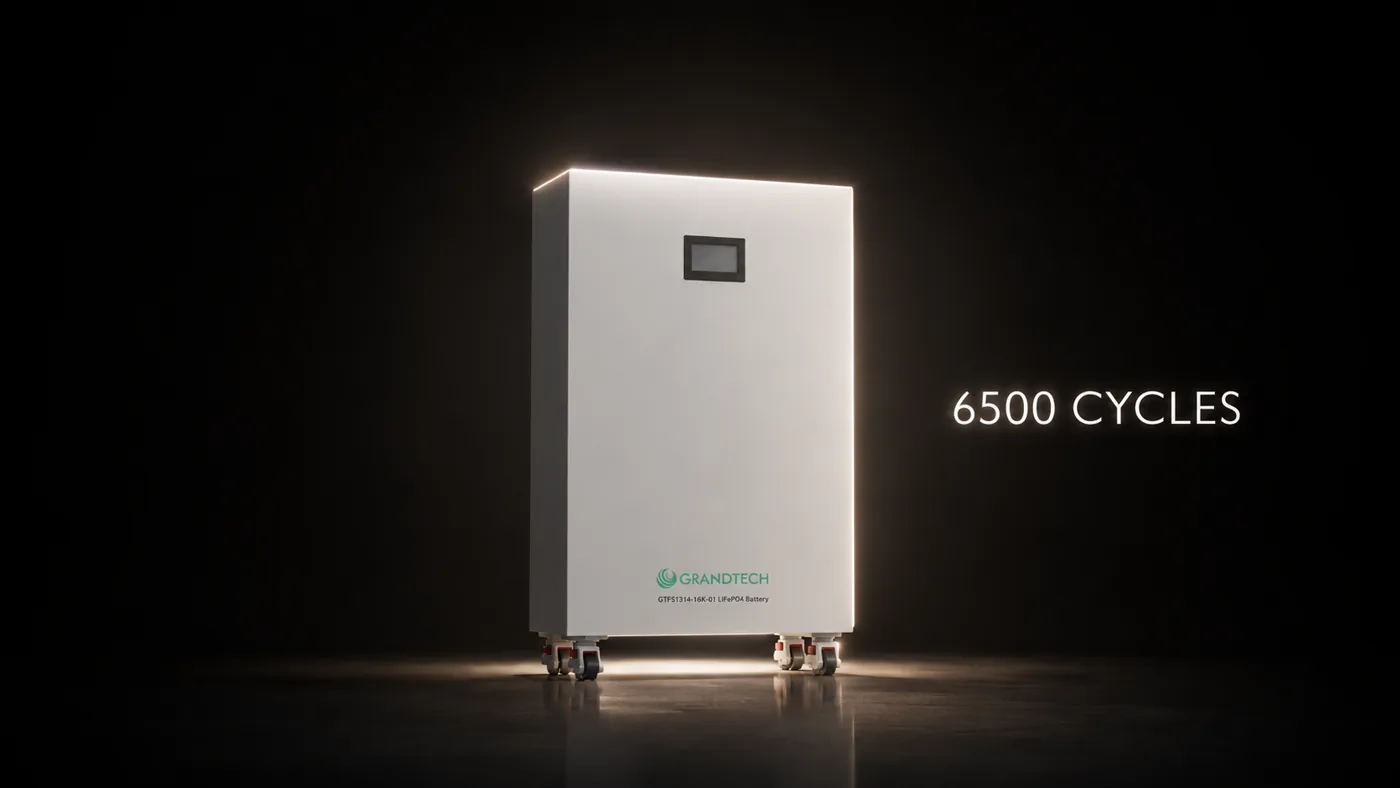
LiFePO4 is a type of lithium-ion battery, but it uses a lithium iron phosphate cathode instead of nickel-manganese-cobalt (NMC). For home storage, LiFePO4 wins on safety and cycle life (6,500-8,000+ cycles vs ~1,000-2,000) and a wider temperature range, at a small premium in size and weight. It's the standard chemistry for modern home batteries.
They're both lithium-ion — the cathode differs
"Lithium-ion" describes how the battery works, not a single chemistry. LiFePO4 (LFP) uses a lithium iron phosphate cathode; most older home and EV batteries use NMC (nickel-manganese-cobalt). The cathode is what drives the differences that matter for home storage.
Safety
LiFePO4 is the safest mainstream lithium chemistry. Its phosphate cathode is thermally and chemically stable, highly resistant to thermal runaway, and does not release oxygen if the cell is damaged — so it won't sustain a fire the way NMC can. That's why LiFePO4 has become the default for home batteries installed inside garages and living spaces.
Cycle life and longevity
LiFePO4 cells are rated for roughly 6,500-8,000+ full cycles at 80% depth of discharge, versus about 1,000-2,000 for typical NMC. With daily cycling that's the difference between ~5 years and 15-20 years of service. LiFePO4 also holds capacity better over its life.
Temperature, size, and cost
LiFePO4 tolerates a wider operating temperature range and handles heat better, which matters for garage and outdoor installs. The trade-offs are modest: LiFePO4 has slightly lower energy density, so a pack is a little larger and heavier for the same kWh, and cell cost per kWh is comparable to or slightly above NMC — but the far longer life makes the cost per cycle lower.
Frequently asked questions
Is LiFePO4 better than lithium-ion?
LiFePO4 is a lithium-ion chemistry. Compared with conventional NMC lithium-ion, LiFePO4 is safer and lasts far more cycles, at the cost of slightly more size and weight per kWh. For stationary home storage, those trade-offs favor LiFePO4.
How long does a LiFePO4 battery last?
6,500-8,000+ charge cycles at 80% depth of discharge, which is roughly 15-20 years with daily cycling — significantly longer than older lithium-ion chemistries.
Is LiFePO4 safe to install indoors?
Yes. Its high resistance to thermal runaway and stable cathode make it the preferred chemistry for batteries installed in garages and utility spaces, paired with a BMS and the appropriate UL/IEC safety certifications.