Off-grid solar system sizing guide
To size an off-grid solar system, start with daily energy use in kWh, add 20-30% system losses, choose 2-3 days of battery autonomy, then size the inverter to your peak simultaneous load. A year-round off-grid home often needs a 10-12 kW inverter, 28-60 kWh of battery storage, enough solar to recharge daily use, and a generator for long cloudy stretches.
Start with daily load, not panel count
The most common off-grid mistake is choosing solar panels before measuring loads. List every appliance you want to run, estimate watts, multiply by daily hours, and convert the total to kWh per day.
A cabin may use only 3-8 kWh per day, while a full-time home with refrigeration, pumps, laundry, workshop tools, or HVAC can land closer to 20-40 kWh per day.
Add a loss and weather margin
Real systems lose energy through inverter conversion, wiring, charge control, temperature, and battery overhead. Add 20-30% headroom before you choose hardware.
If the home is occupied year-round, size against the worst month, not the annual average. Winter loads and shorter sun hours are usually what expose an undersized system.
Choose days of autonomy
Days of autonomy means how long the battery should power the home without meaningful solar input. Weekend cabins can often live with one day. Full-time off-grid homes usually need 2-3 days, sometimes more in cloudy regions.
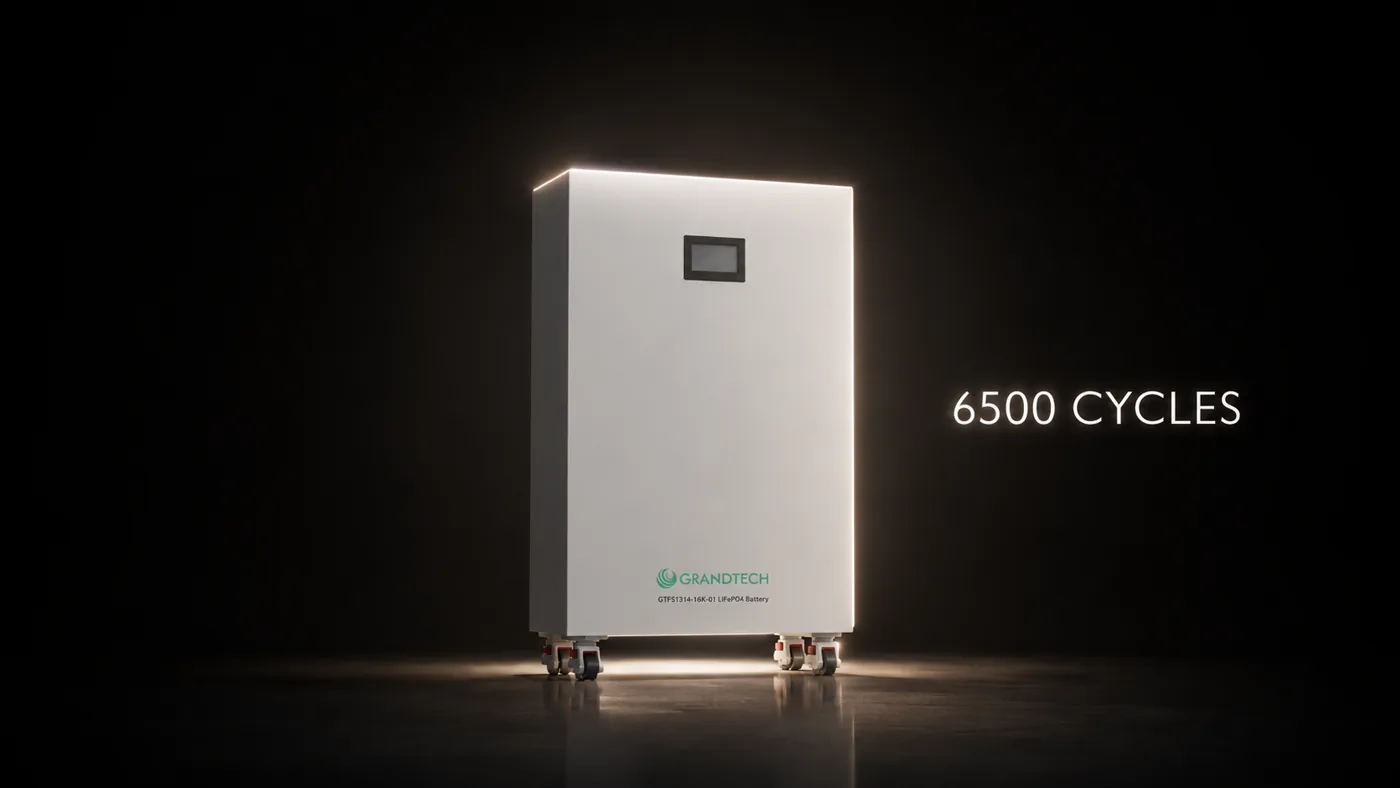
Battery capacity needed is roughly daily kWh multiplied by days of autonomy, then adjusted for depth of discharge and reserve margin. LiFePO4 batteries are well suited because they tolerate deep cycling and long service life.
Size the inverter for peak load
Battery capacity tells you how long you can run. Inverter power tells you how much you can run at once. Add up the largest loads that may run together, then include surge loads from pumps, compressors, and HVAC.
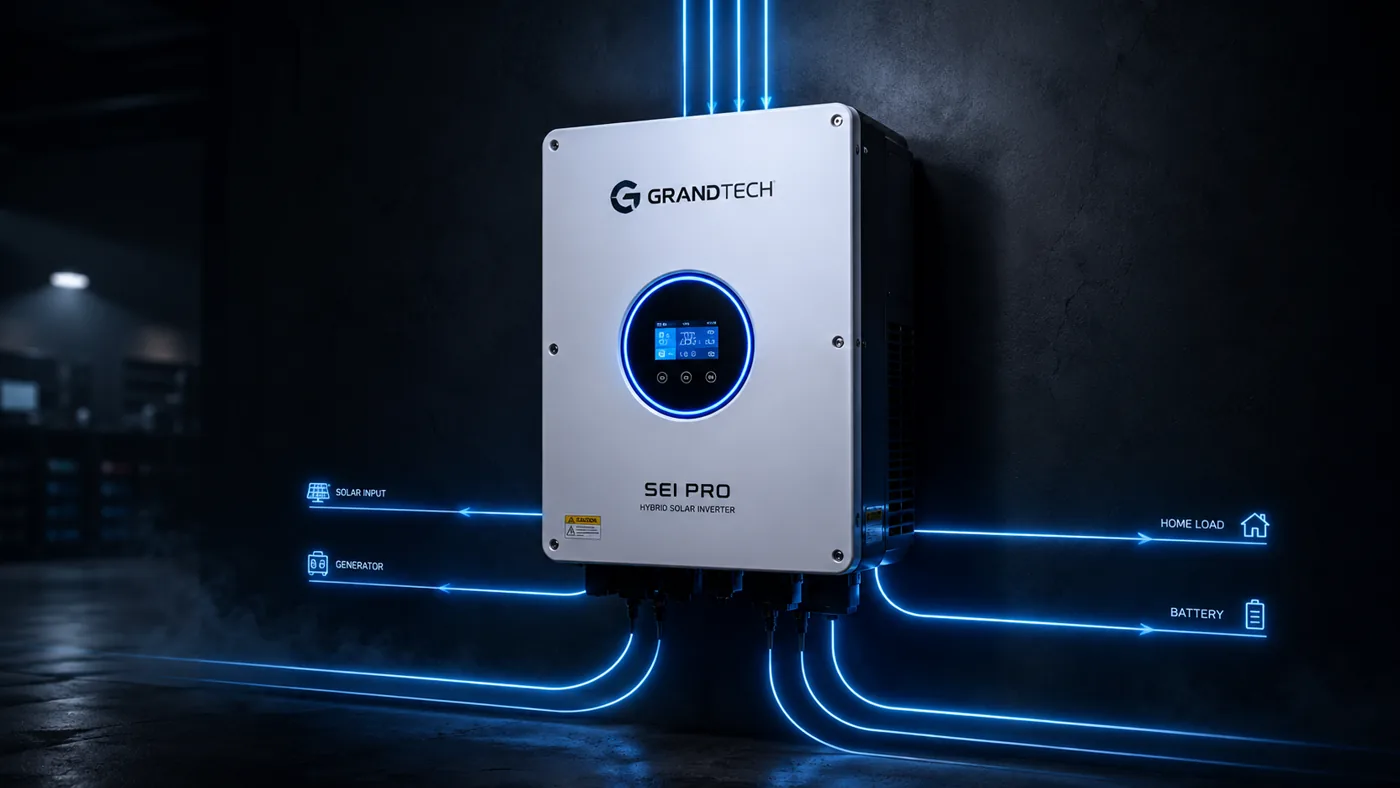
Most residential off-grid systems fit a 10-12 kW split-phase hybrid inverter, especially when the home needs 120/240V output for standard US appliances.
Plan for backup charging
True off-grid systems need a backup plan for long storms, smoke, snow, and maintenance days. A generator input on the hybrid inverter lets you recharge batteries without rewiring the home.
The best system is not just bigger; it is balanced. Battery, solar array, inverter, generator, and load management should all match the way the home is actually used.
Frequently asked questions
How many kWh of battery do I need for an off-grid house?
A small cabin may work with 10-20 kWh, while a full-time off-grid home often needs 28-60 kWh depending on loads, weather, and desired days of autonomy. Start with daily kWh use, then multiply by 2-3 days for year-round resilience.
What size inverter do I need for off-grid solar?
Size the inverter to peak simultaneous load, not daily energy use. Many homes fit a 10-12 kW split-phase hybrid inverter, but large HVAC, pumps, or workshop loads may require parallel inverters or load management.
Do off-grid systems still need a generator?
Usually yes. A generator is cheap insurance for long cloudy stretches, snow cover, equipment maintenance, or unusually high loads. The generator should connect through the hybrid inverter for controlled battery charging.